


What's New
- 2024.03.19 Schedule
- 2024.01.23 Lessons
-
NEW JAPANESE LANGUAGE BEGINNERS’ LEVEL1 STEP1 COURSE at Aza…
- 2023.12.26 information





What's New
NEW JAPANESE LANGUAGE BEGINNERS’ LEVEL1 STEP1 COURSE at Aza…
Lesson style
Individual language training or class training at your office or the NIC-Japanese language school .Teachers
Bilingual ・All Certified ・Long ExperienceMethod
NIC-Japanese language school teachers use a proven teaching method relying on “Visual Memory” to help you learn faster and remember more.Level
All levels. Multipurpose.Lesson site
Student's office, home, or NIC's Azabu Juban facility.Areas Covered
NIC-Japanese language school are located in Tokyo, Kanagawa, Chiba and SaitamaTuition
NIC-Japanese language school offers a wide range of Japanese lessons at a very reasonable cost.Client
NIC-Japanese language school clients include international organizations, law firms, government agencies, and more.Online Lesson
NIC-Japanese language school also offers online lessons (Google Meet, Skype, LINE, Zoom, etc.).Every time, the contents will increase.
You can enjoy Japanese exercises!
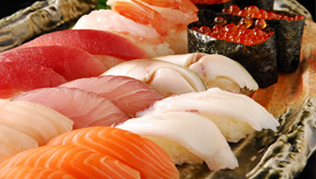
Sushi is popular domestically and internationally. Like the majority of other Japanese dishes, sushi is devised to accentuate the natural flavors of fresh fish and sh...
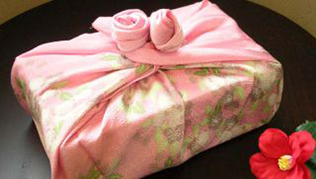
History Furoshiki , the traditional Japanese wrapping cloth is single piece of a cloth. It has more than 1,200year-old history and had been widely used until the end o...
NIC-Japanese language school tokyo offers Japanese language lessons at various levels. An NIC teacher can come to your office, home or anywhere you choose. Or you can come to our school in Azabu, Tokyo to take Japanese lessons, individual language training or class training. NIC's Japanese teachers are all certified, well educated and fully experienced.
NIC-Japanese language school tokyo offers all levels of Japanese lessons from elementary to advanced at reasonable cost. The NIC-Japanese language school is conveniently located in Azabu Juban, Tokyo and easily accessible by subway on either the "Nanboku-line" or the "Oedo-line".
Azabu Juban is within walking distance from Roppongi Hills (about 1km),also easily accessible from Nishi Azabu,Hiroo,Akasaka,Aoyama,Toranomon and Omote-sando
by subway and bus.
Learn Japanese from NIC's certified Japanese teachers and make your life in Japan much more enjoyable.


★You are always welcome to ask us any questions you may have regarding our lessons, fees and so on.
★We are happy to visit you to explain about our lessons in detail upon your request.
★For estimates and NIC brochures, please feel free to call or e-mail us.